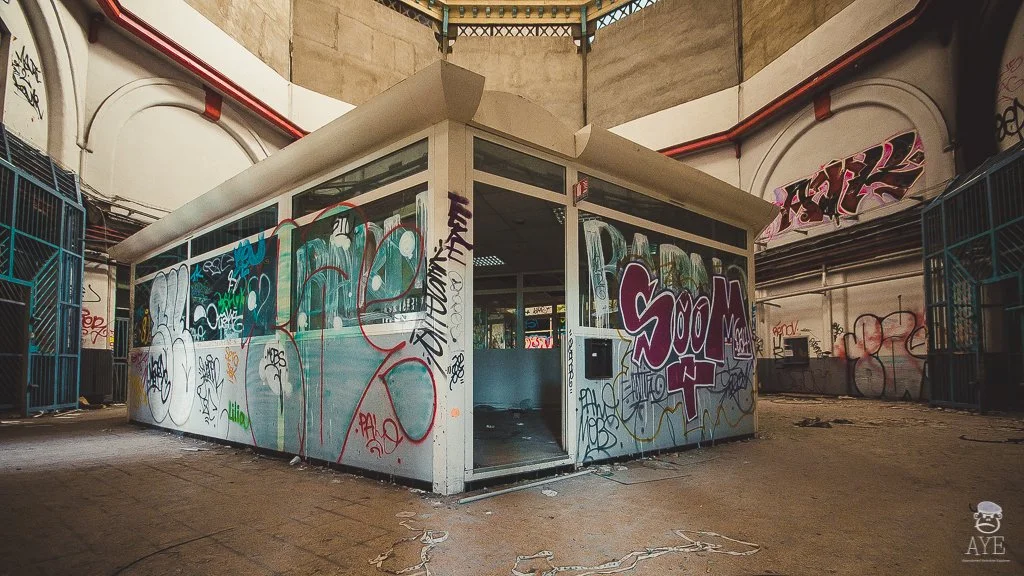
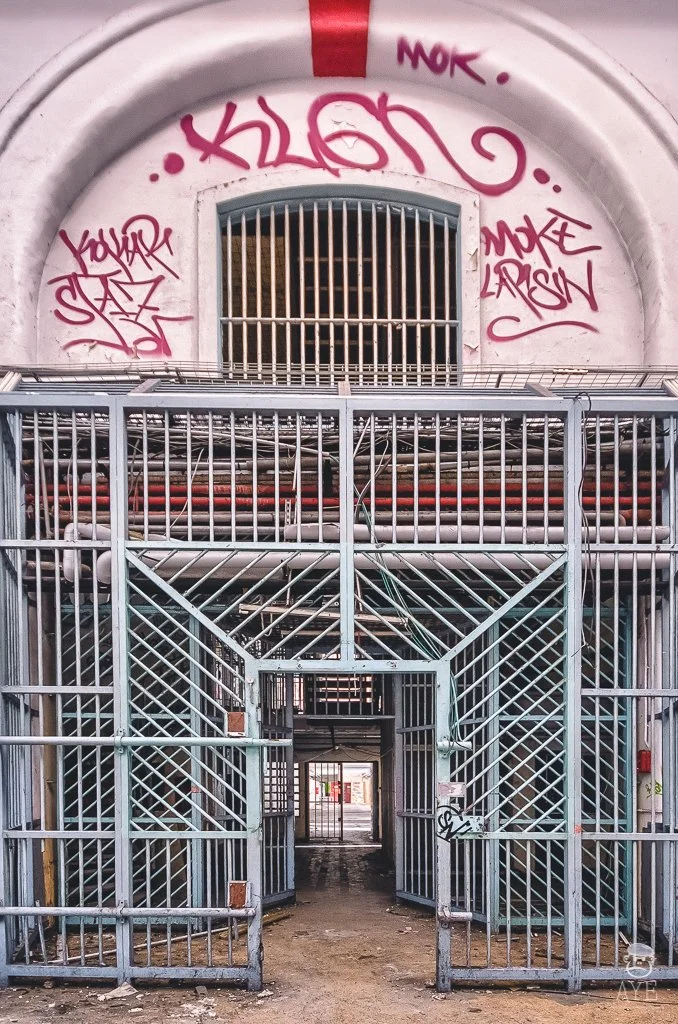
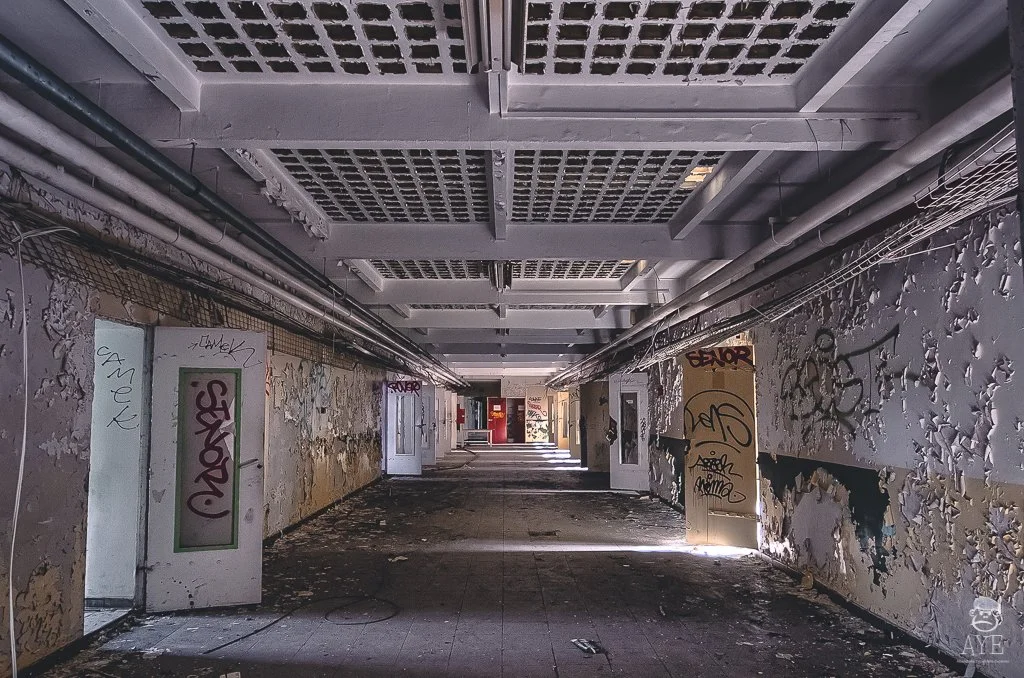
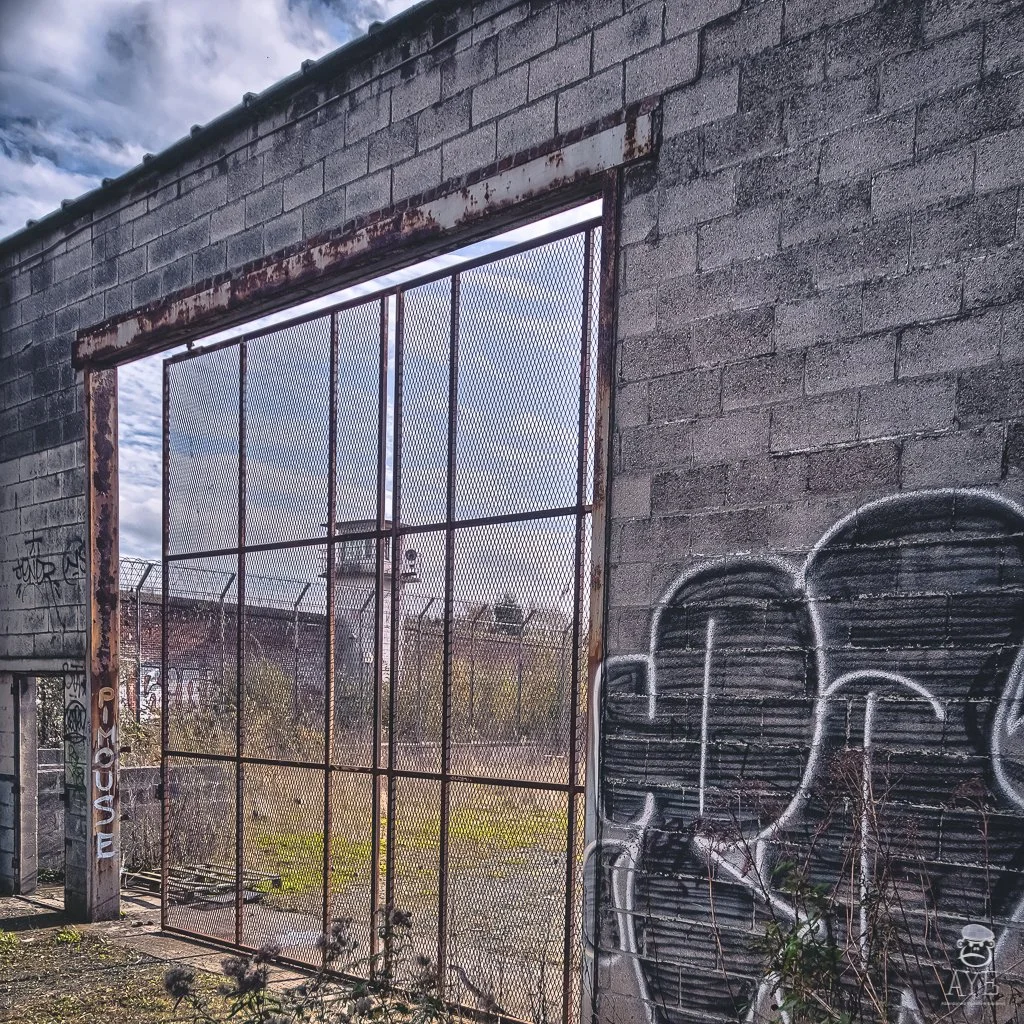
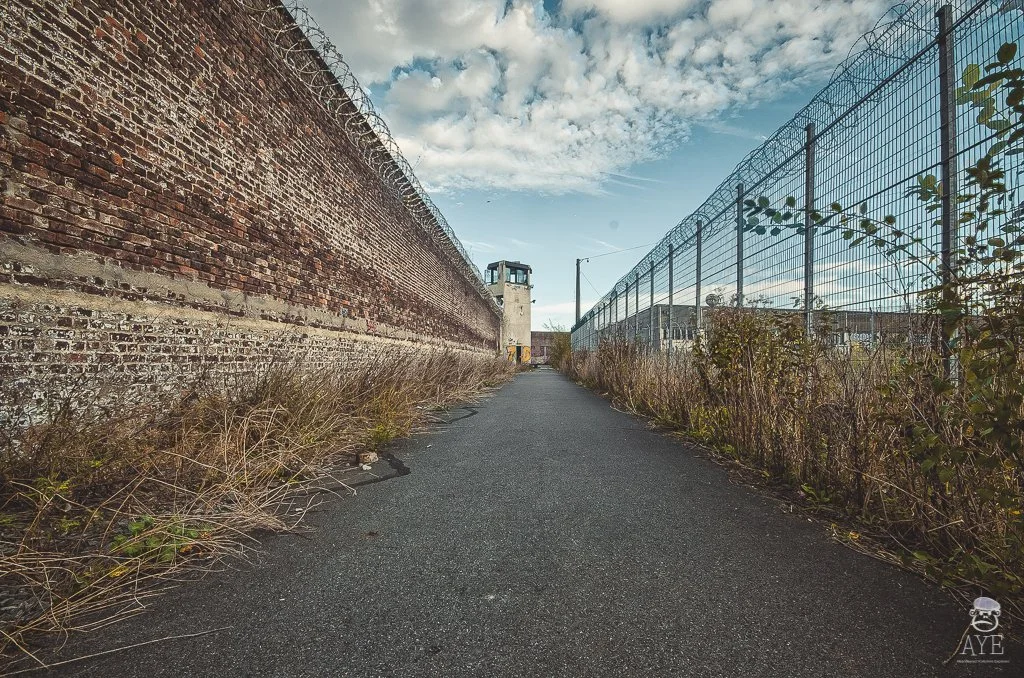
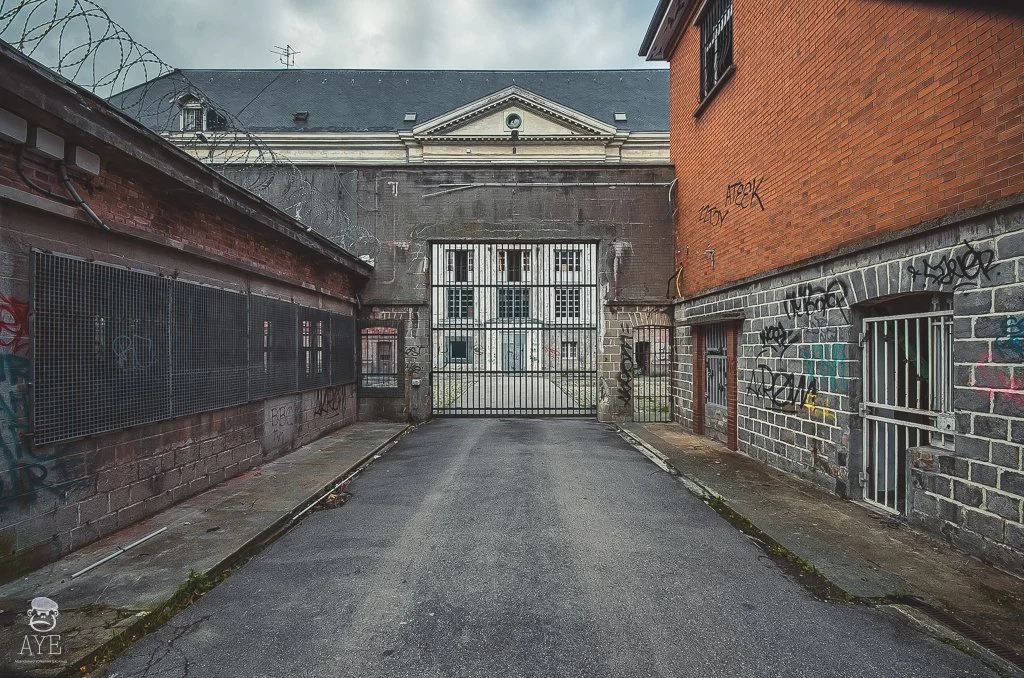
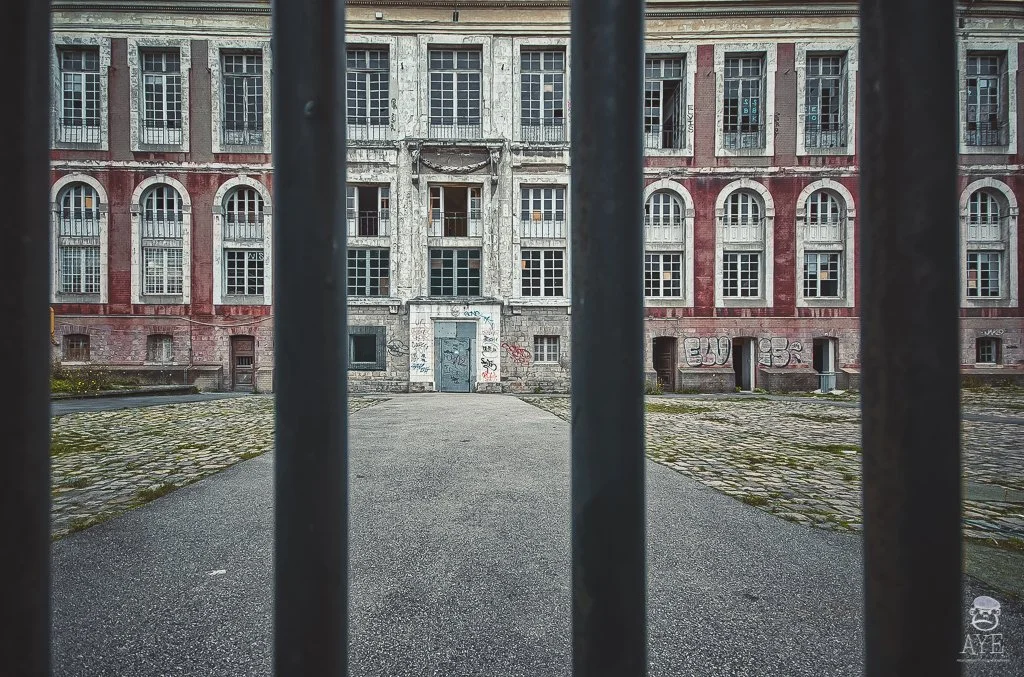
Inside Prison H-15: Slamming Doors and Silent Corridors
Some places stay with you because of the photographs. Others stay with you because of what happened while you were taking them. Prison H-15 gave me both.
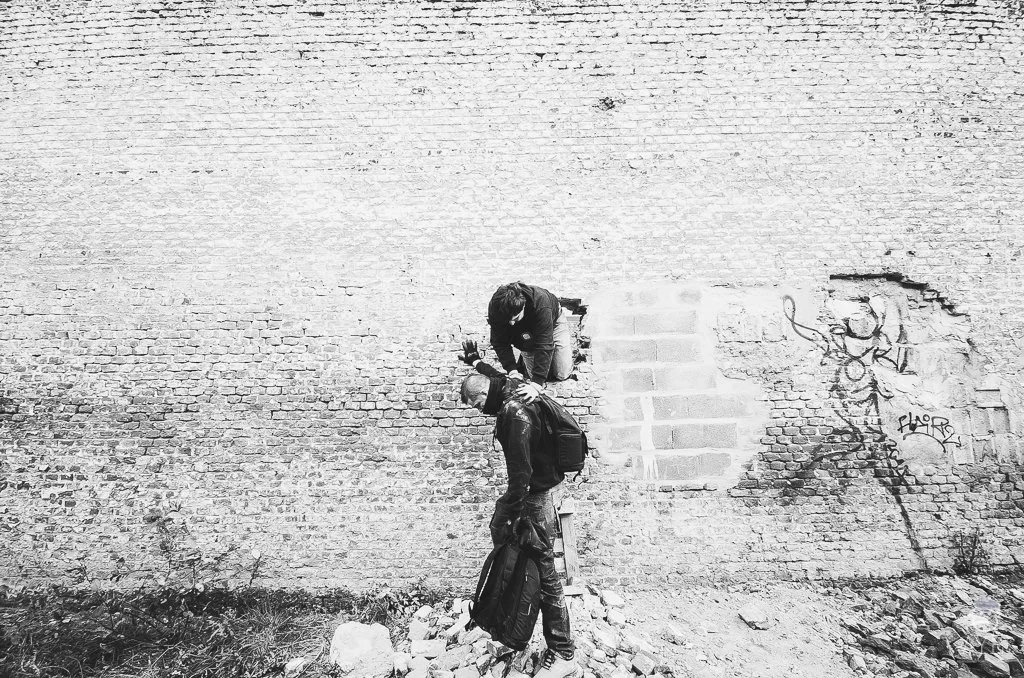
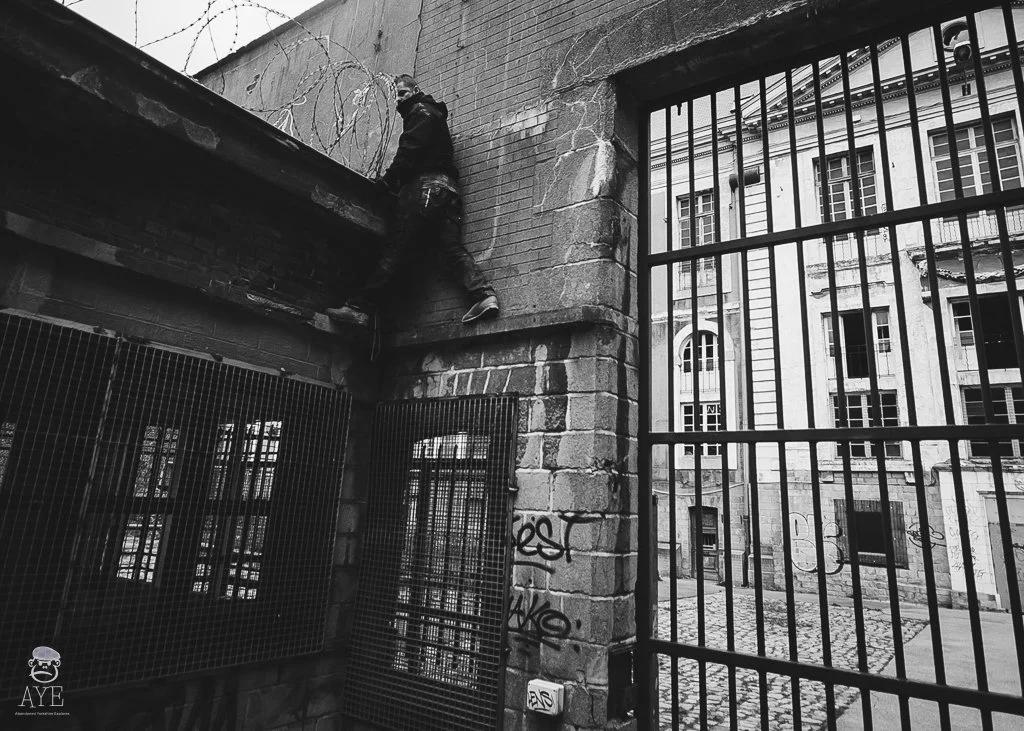
There were five of us on this visit, and before we’d even made it inside, it was clear that getting our cameras out might not be straightforward.
An uneasy arrival
An encampment occupied the area around the front of the prison, so we approached from the back. As we arrived, a group of French teenagers came running past us. They appeared terrified and had apparently been chased away.
It wasn’t the most reassuring welcome.
Once inside, we spotted two men standing at the far end of a corridor, facing us. It felt like an attempt to intimidate us into leaving.
We’d travelled a long way, and with five of us together, we decided to stay calm and carry on. We walked towards them, said hello and began setting up our cameras and tripods.
There was no confrontation. After a while, they walked away, and we never saw them again.
With that uncomfortable introduction behind us, we could finally concentrate on photographing the prison.
A building that refused to be quiet
You might expect an abandoned prison to be silent. H-15 certainly wasn’t that day.
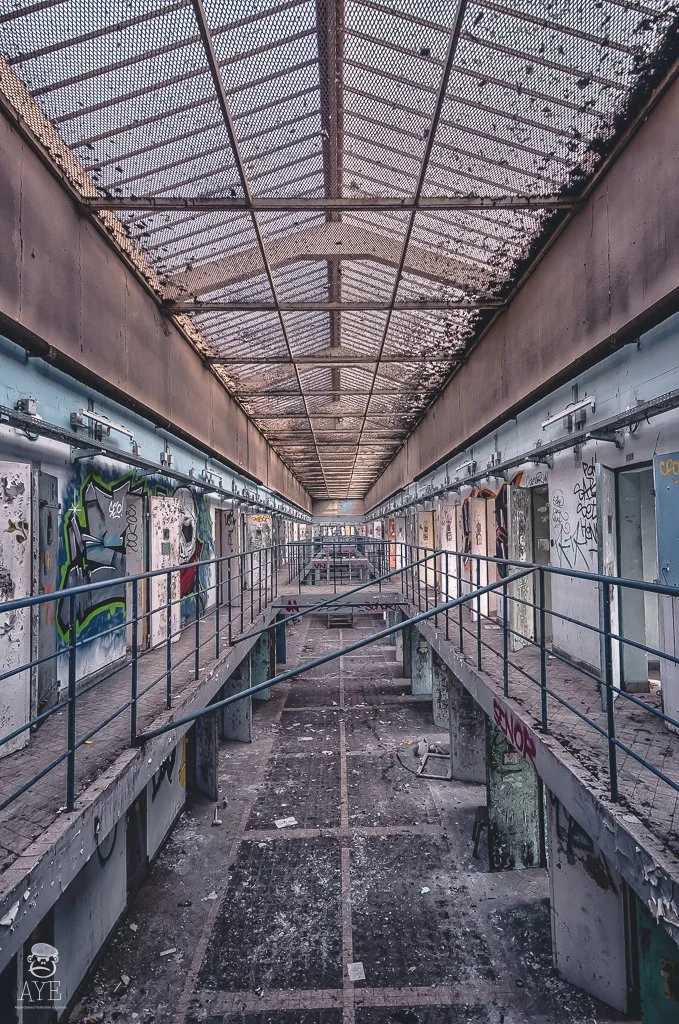
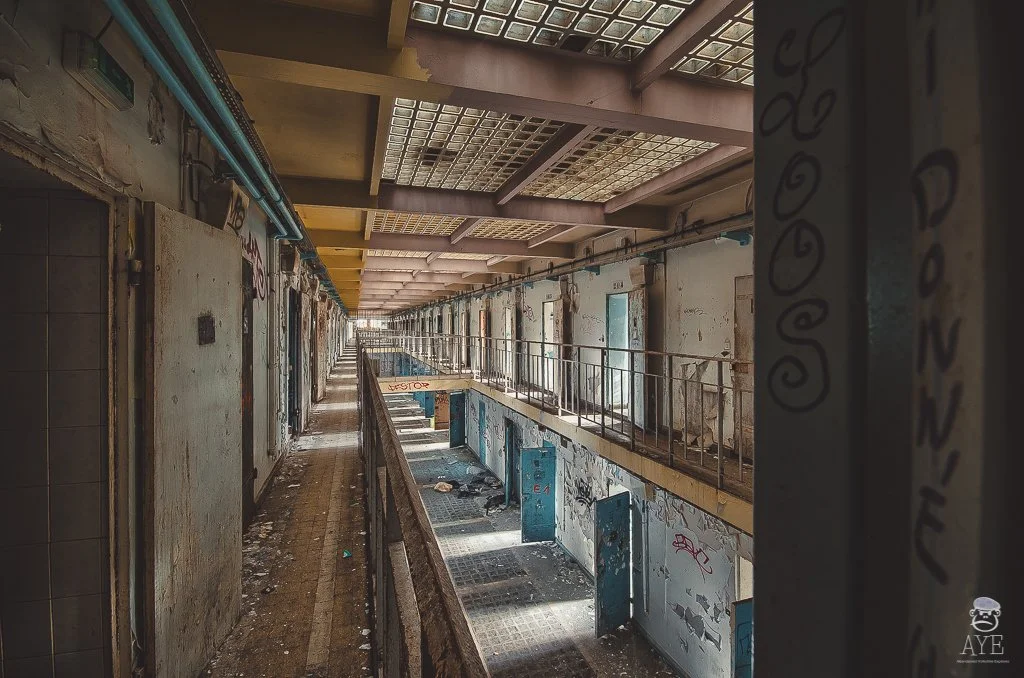
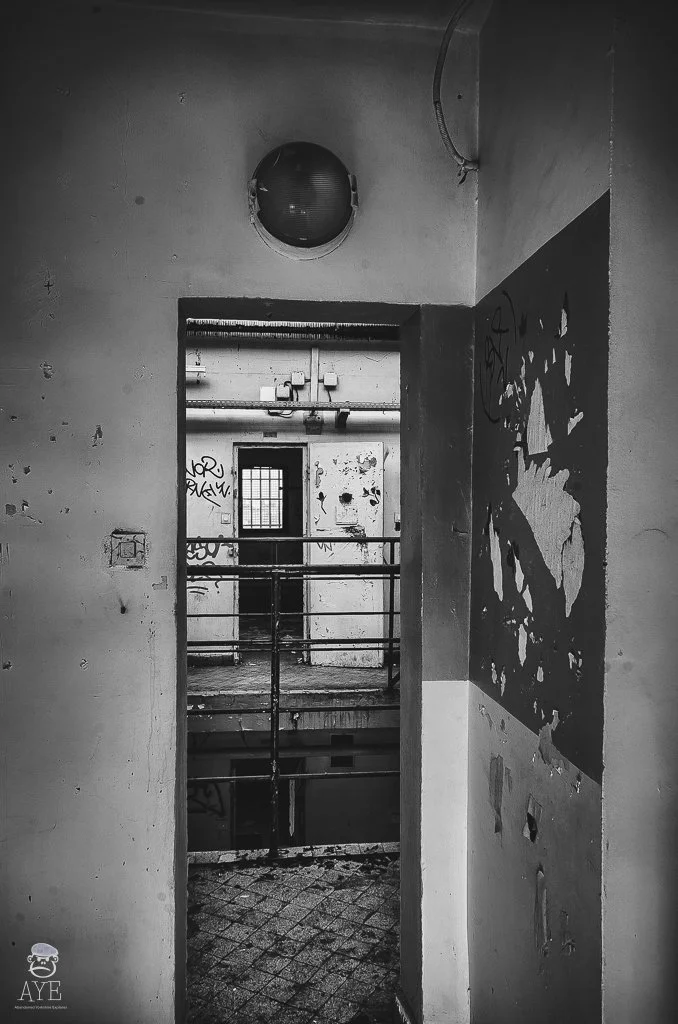
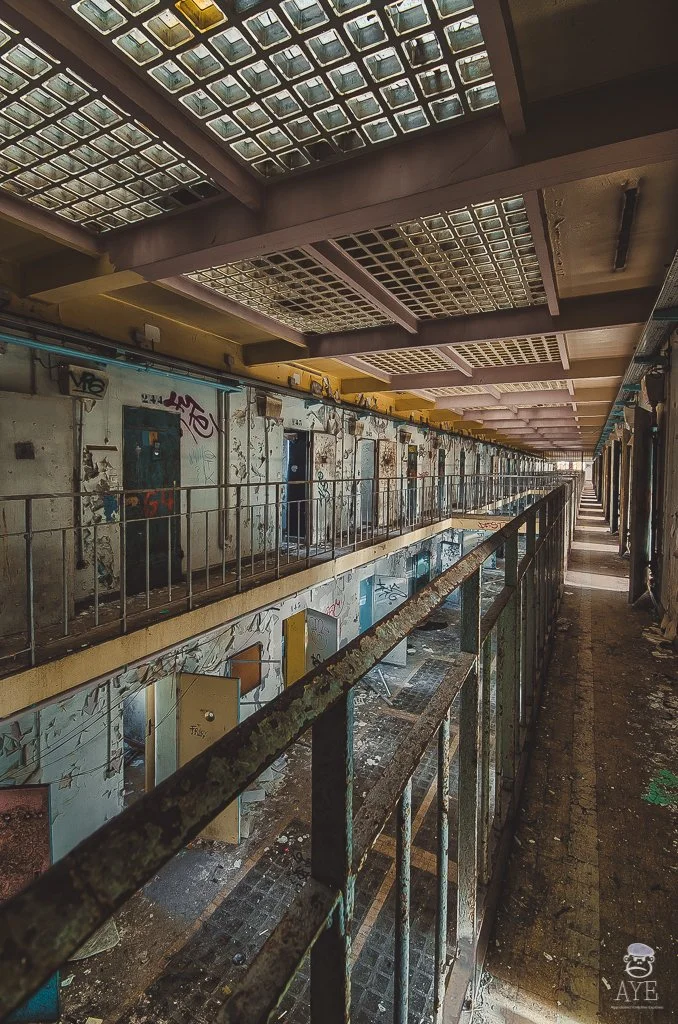
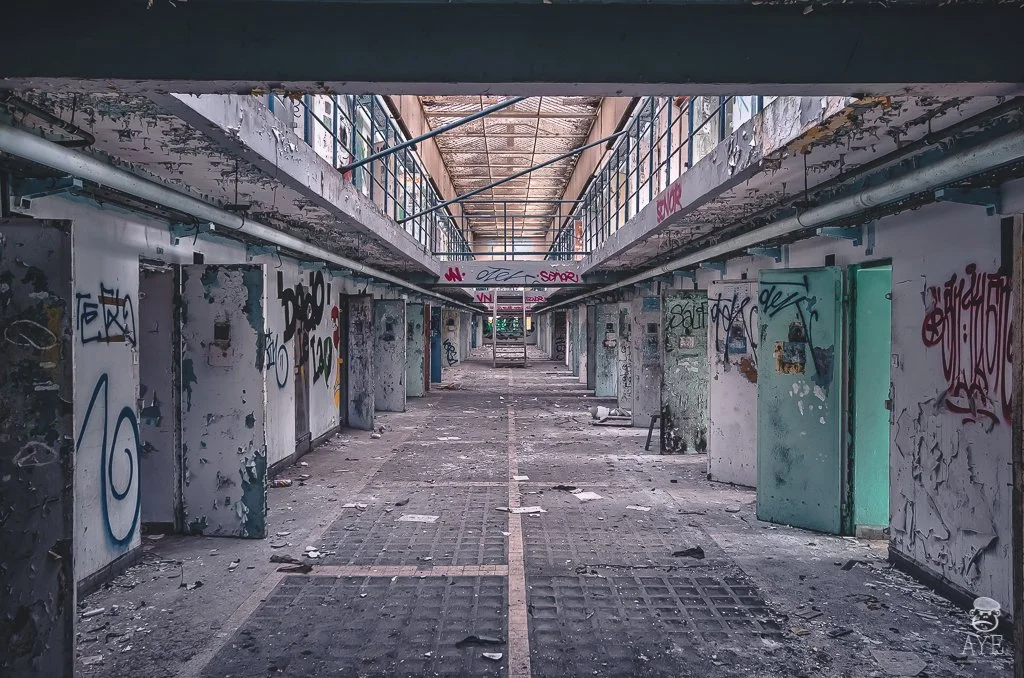
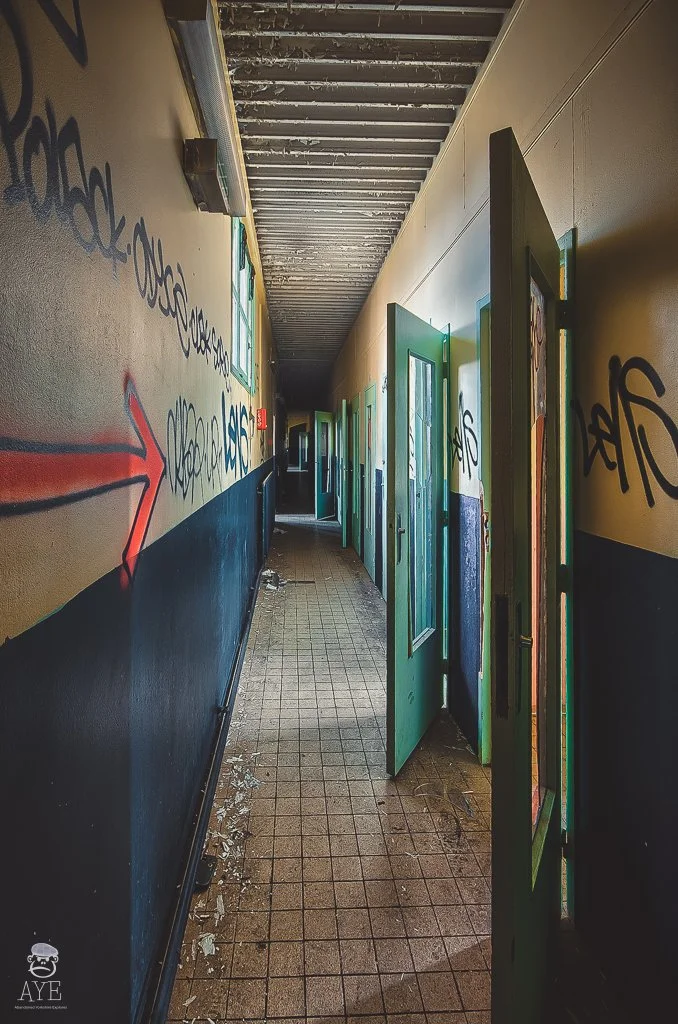
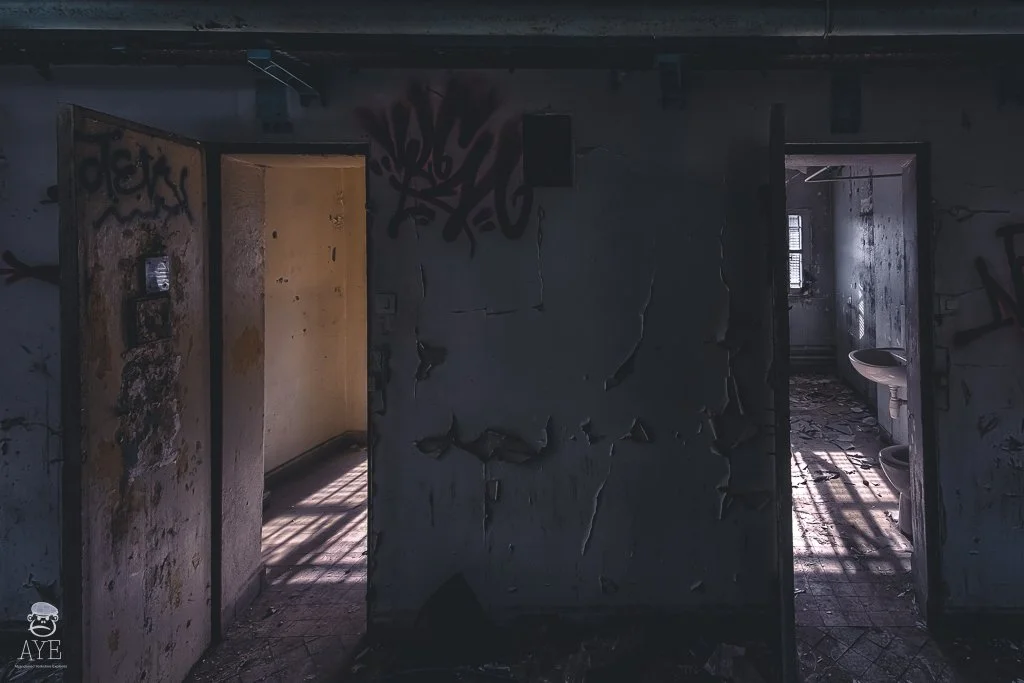
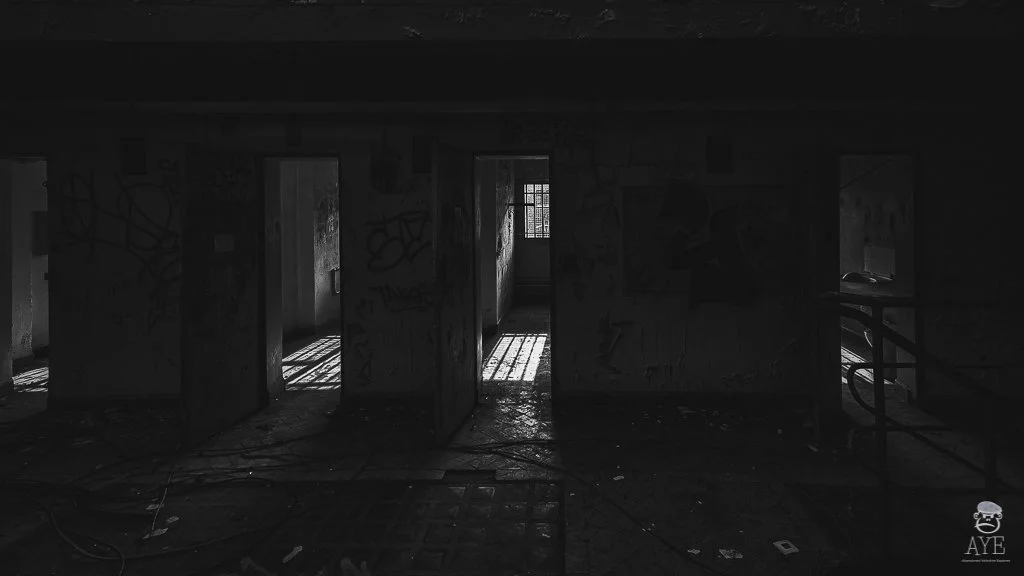
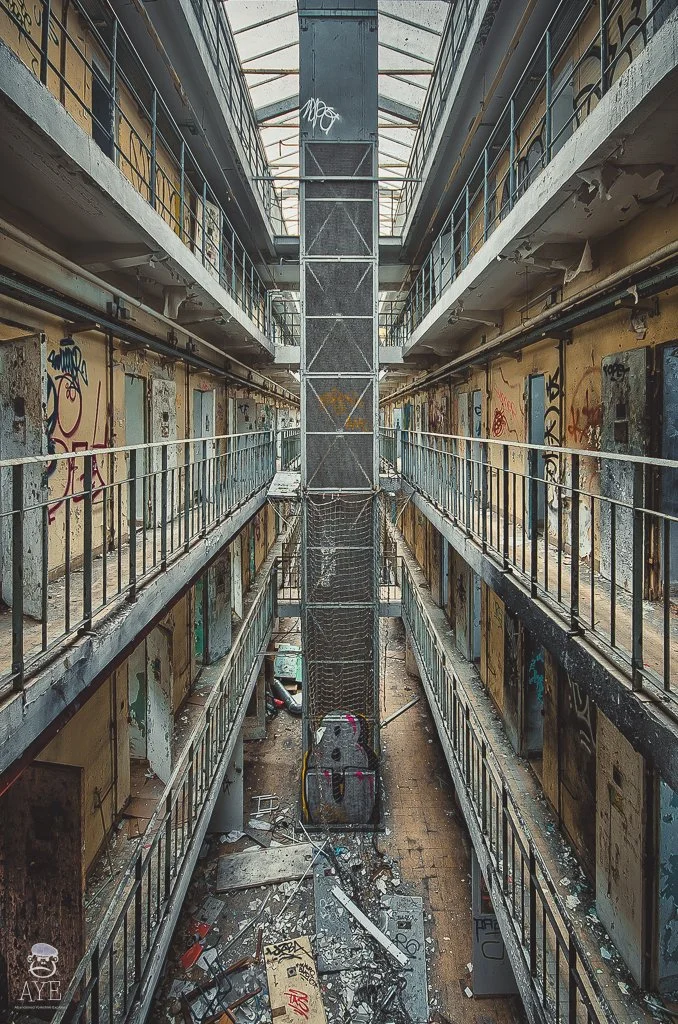
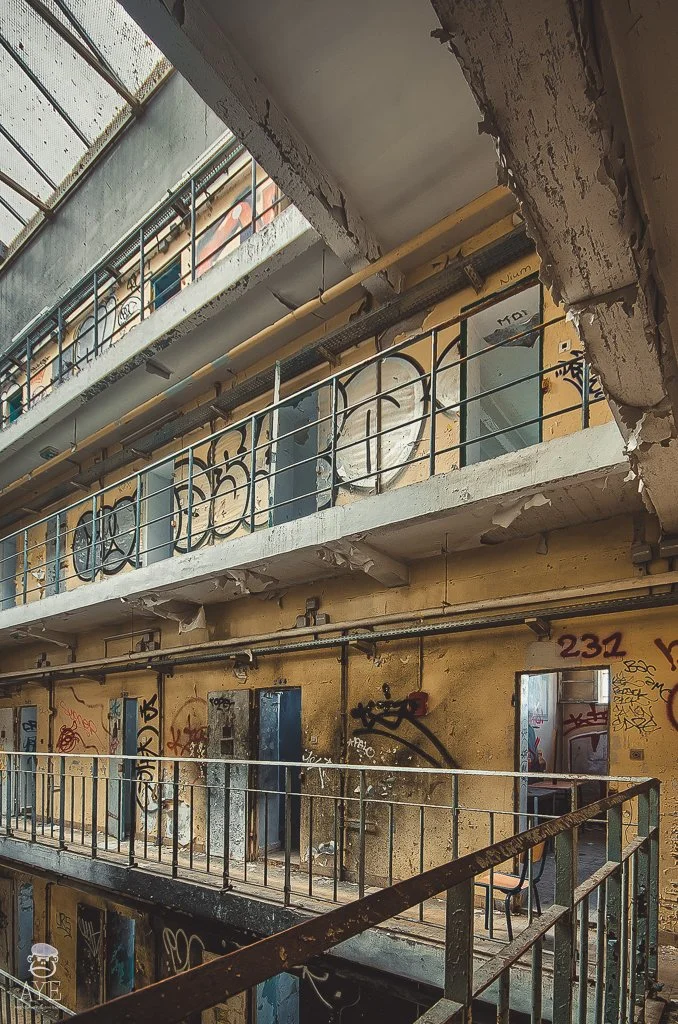
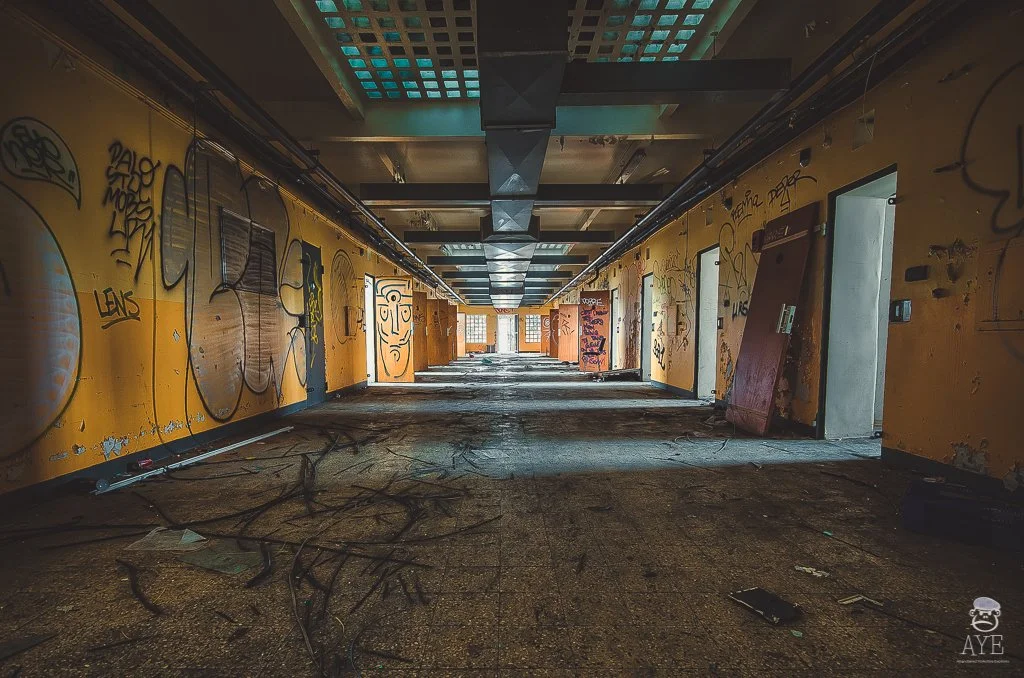
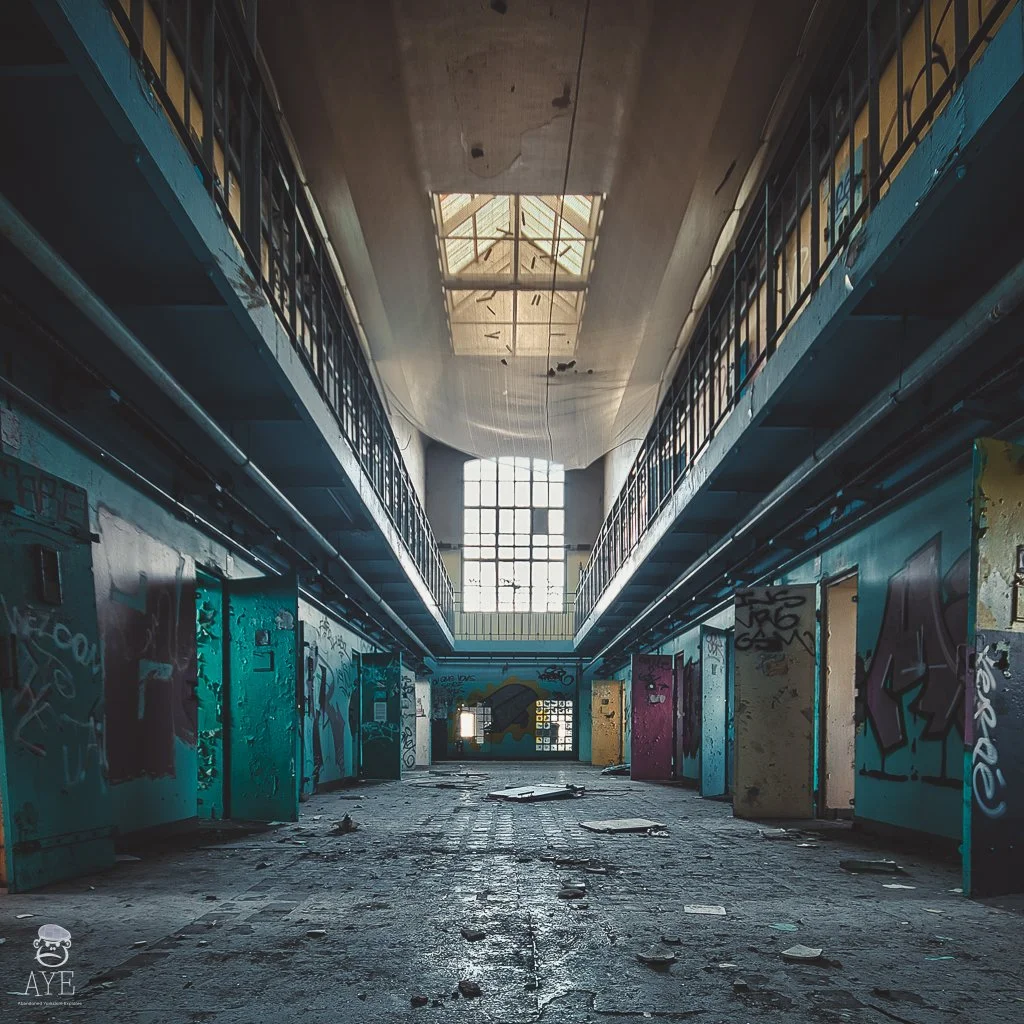
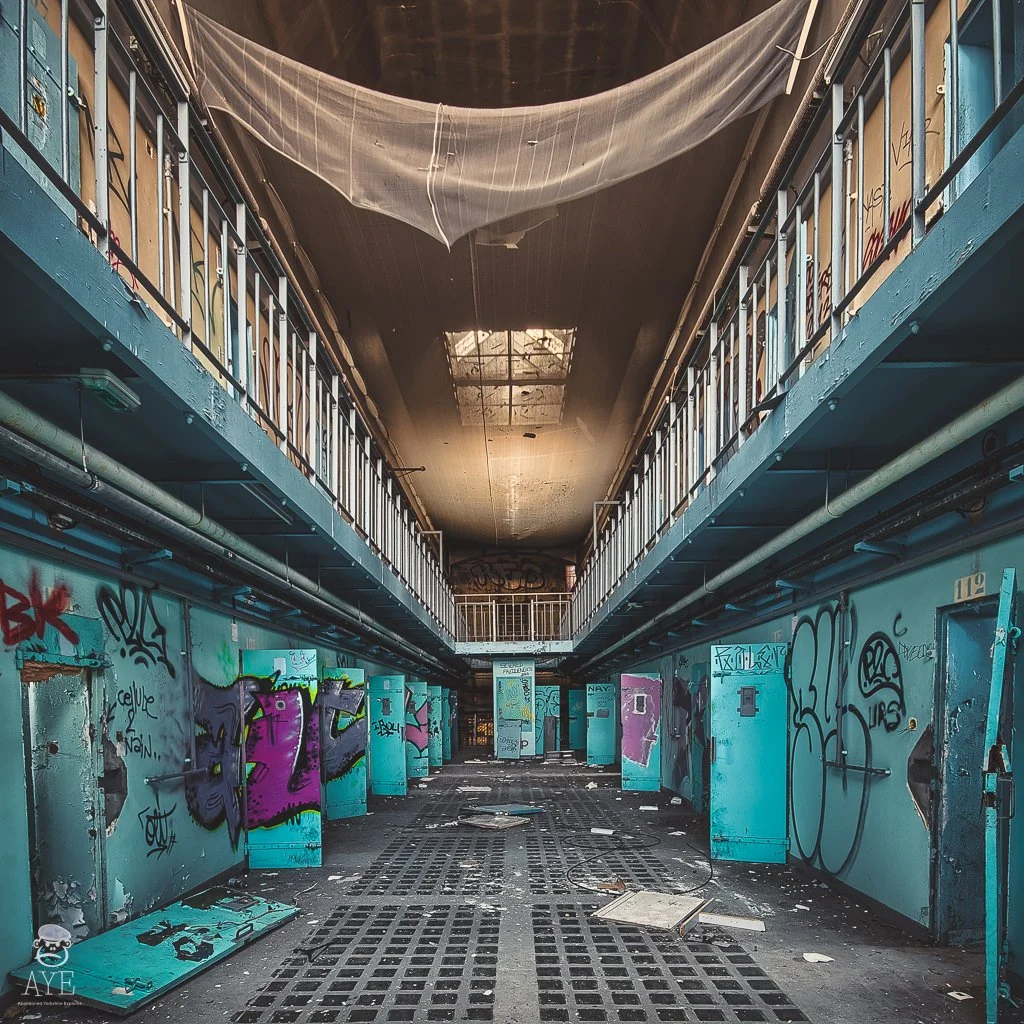
The wind was howling through the building, and the changes in air pressure kept pulling cell doors open before slamming them shut. Each bang echoed down the corridors.
Even knowing what was causing it didn’t make it easy to ignore. I’d be concentrating on a composition when another door would slam somewhere nearby, breaking my concentration and reminding me just how unsettling the place could feel.
There was nothing mysterious about it. Heavy doors, strong wind and empty corridors were enough.
For anyone watching a finished video or looking through the photographs, that sound is a part of the experience that a still image can’t quite convey.
Finding the photographs
Once we settled into taking pictures, the visit became more familiar: choosing viewpoints, setting up tripods and working out how to photograph the spaces in front of us.
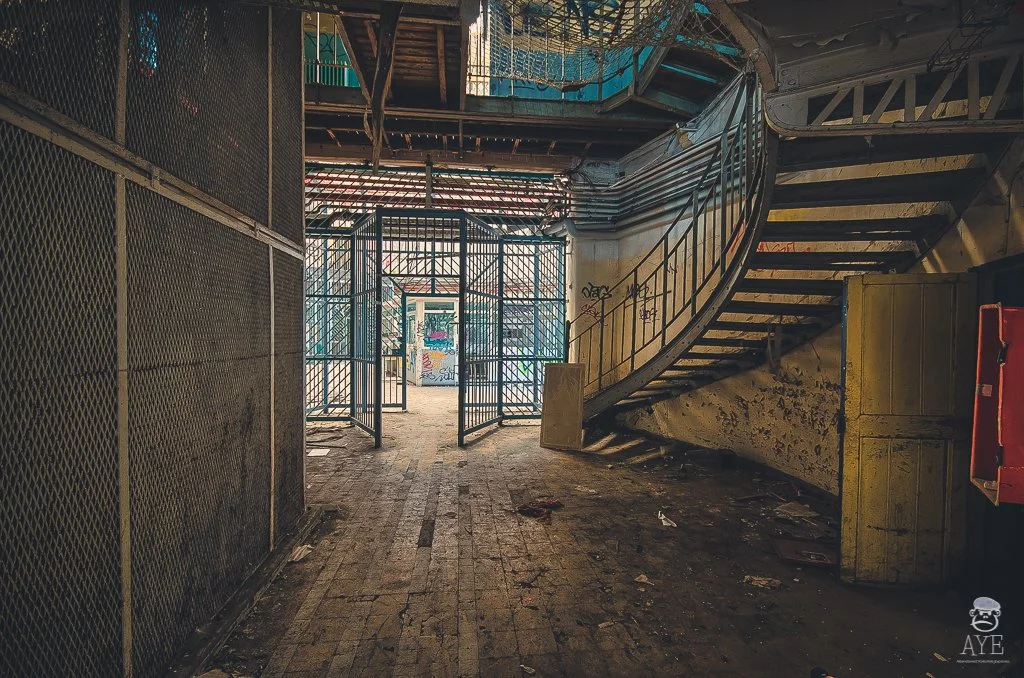
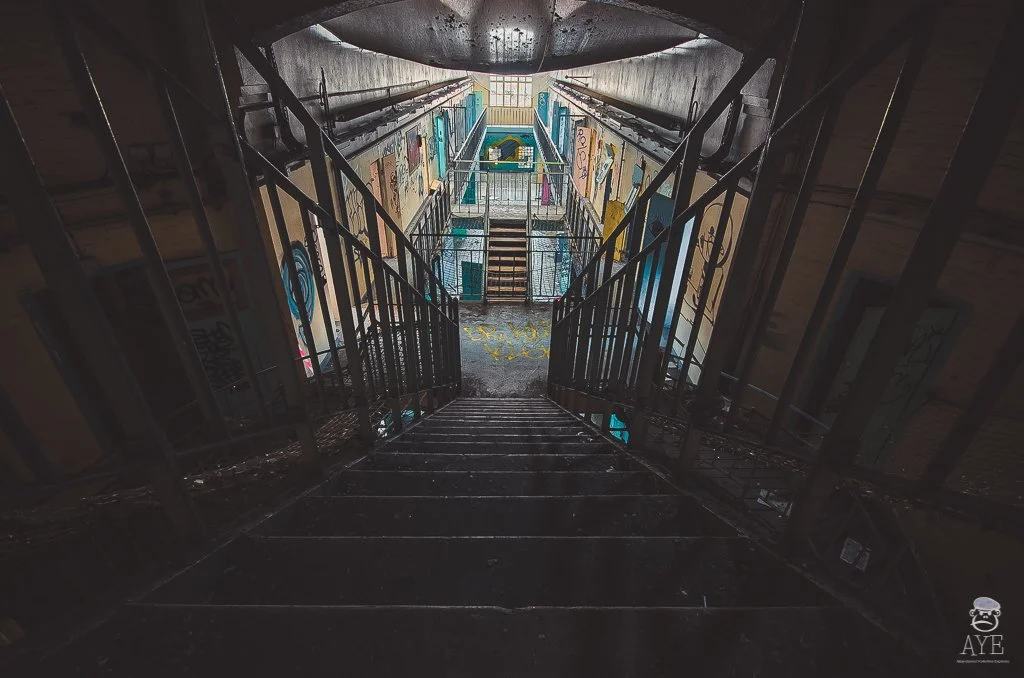
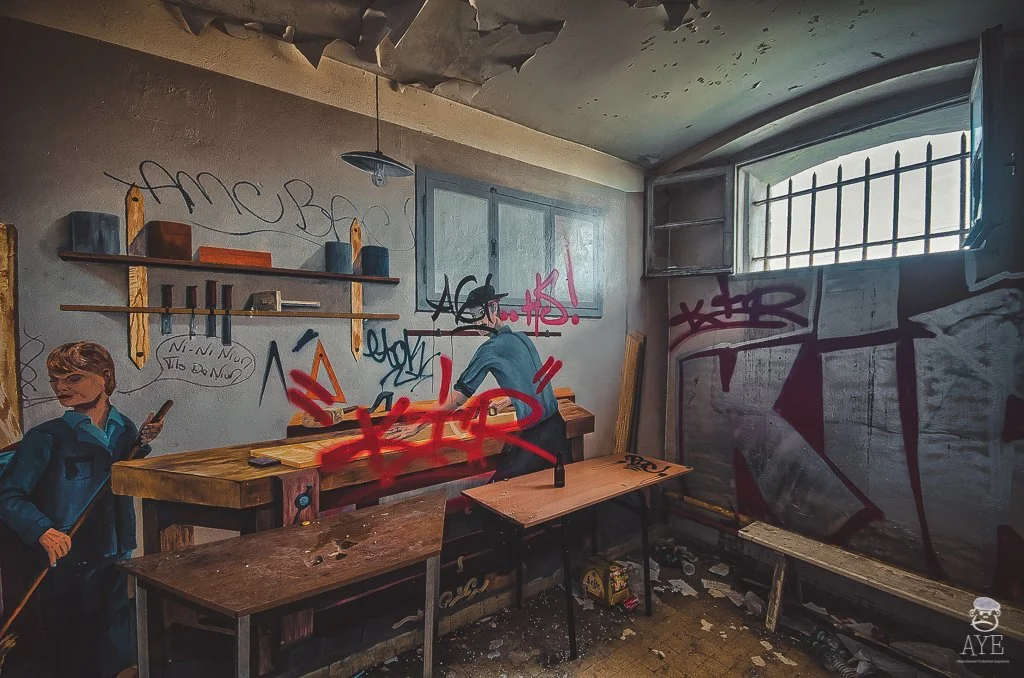
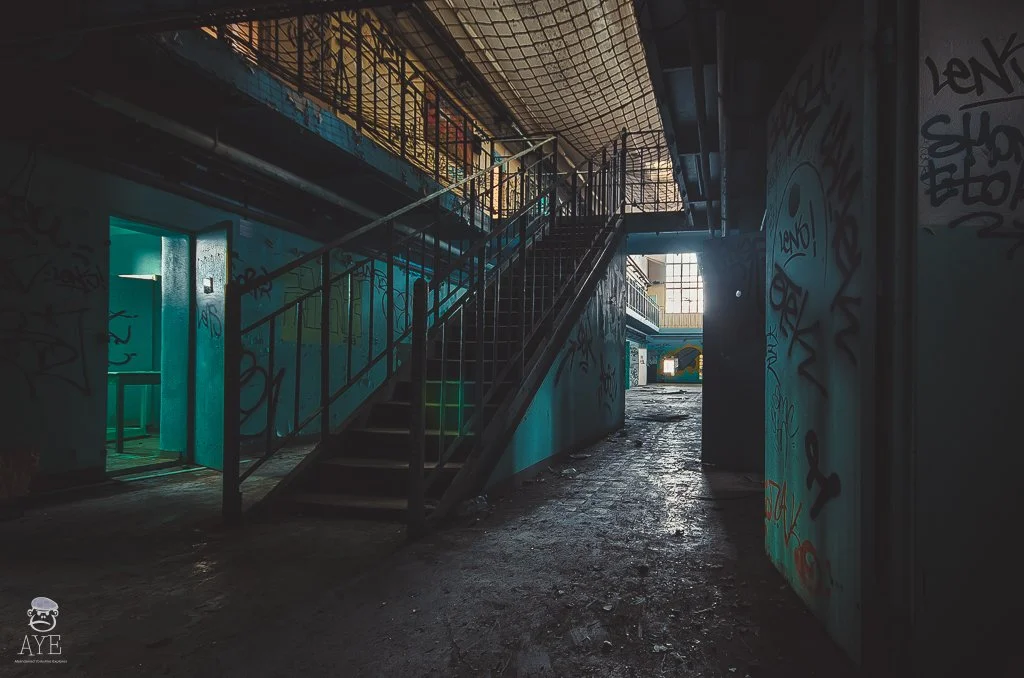
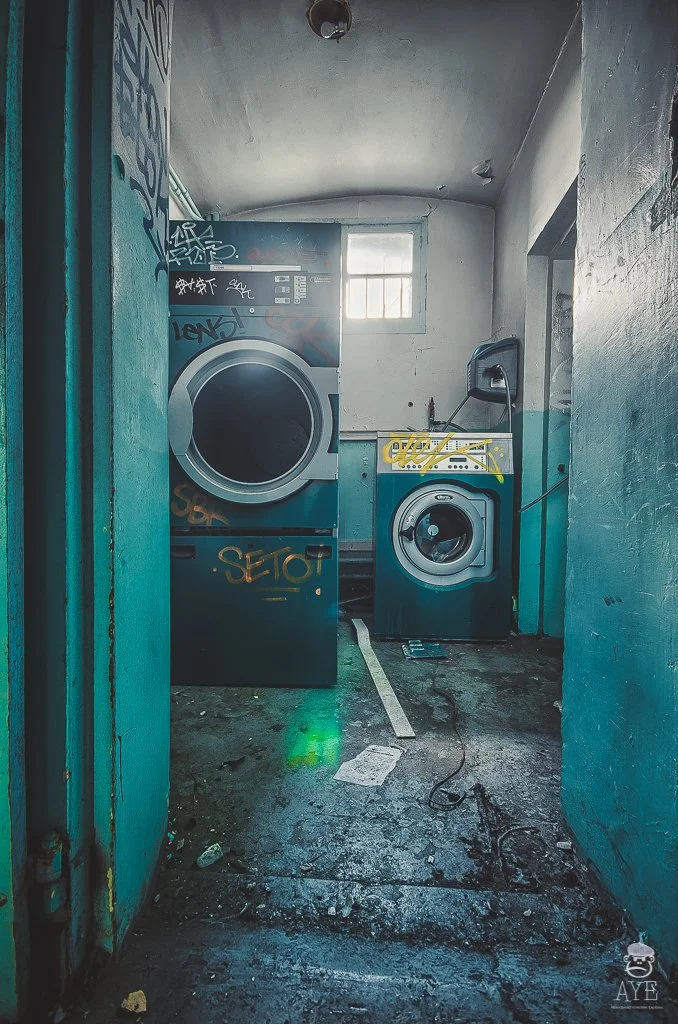
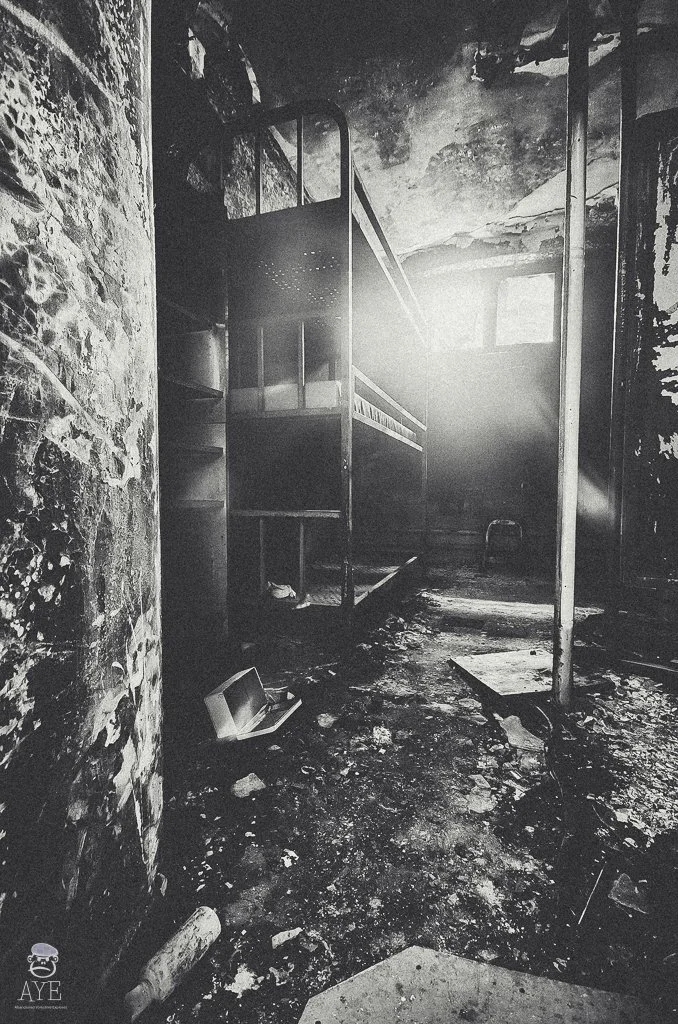
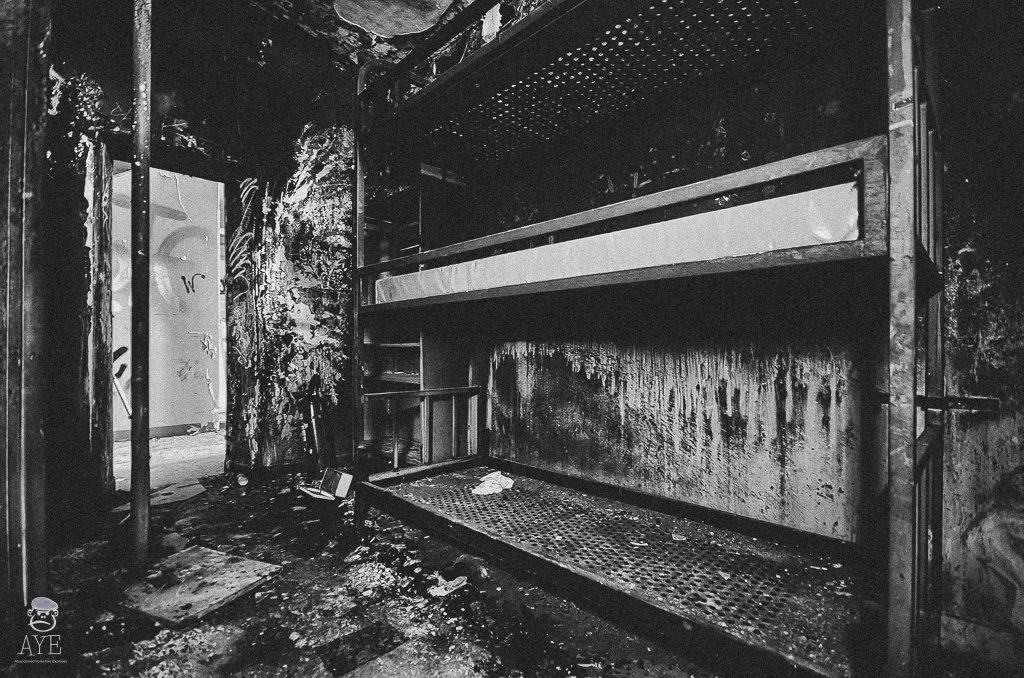
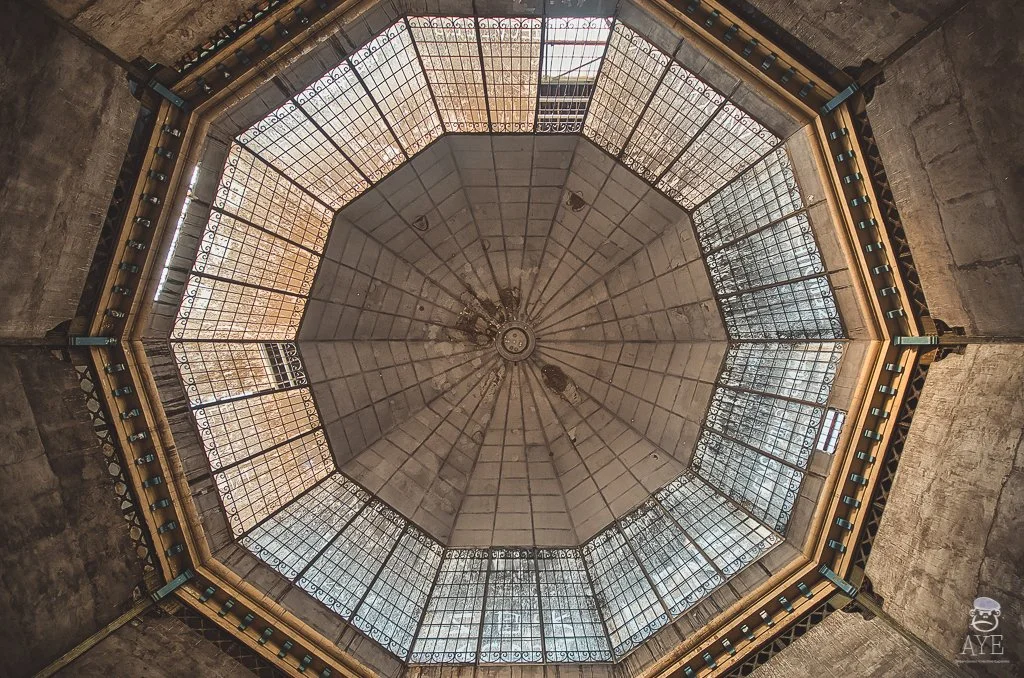
Prisons lend themselves to strong compositions. Repeated doorways and long corridors draw your eye through the frame, but I don’t want every photograph to become another version of the same view. The challenge is to make a set of images that gives a sense of the building while allowing individual photographs to stand on their own.
That’s one of the reasons I enjoy working with a tripod. It gives me time to look properly, make small adjustments and pay attention to the edges of the frame.
At H-15, that slower process took place against the wind and the occasional enormous bang of a cell door. It was an unusual combination: carefully composing a photograph while the building made itself heard around us.
Looking back at H-15
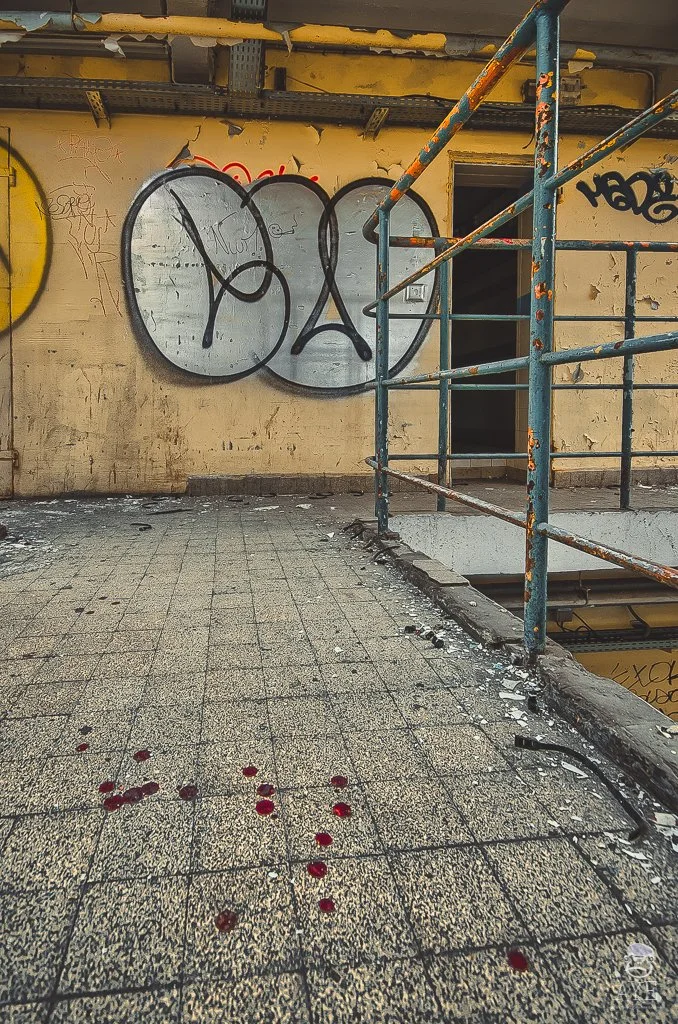
When I revisit these photographs, I remember more than what was in front of the lens. I remember the teenagers running past us, the uneasy encounter in the corridor and the decision to get our tripods out and carry on.
Most of all, I remember the doors.
A photograph holds everything still. Looking at one now, there’s no indication that a few seconds before or afterwards, a door might have slammed hard enough to make everyone look up.
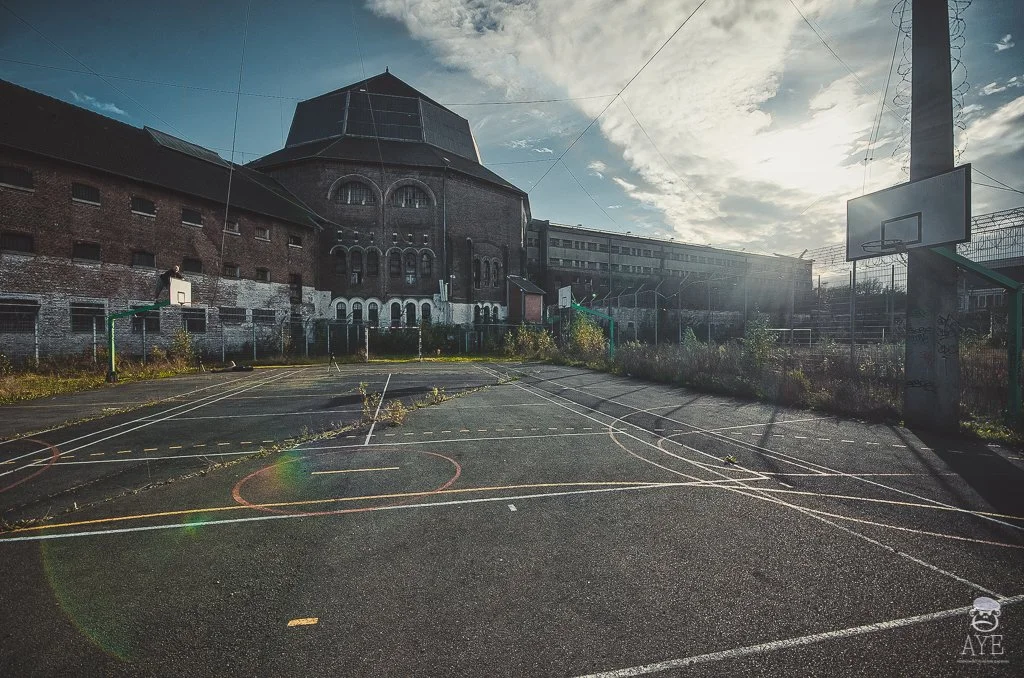
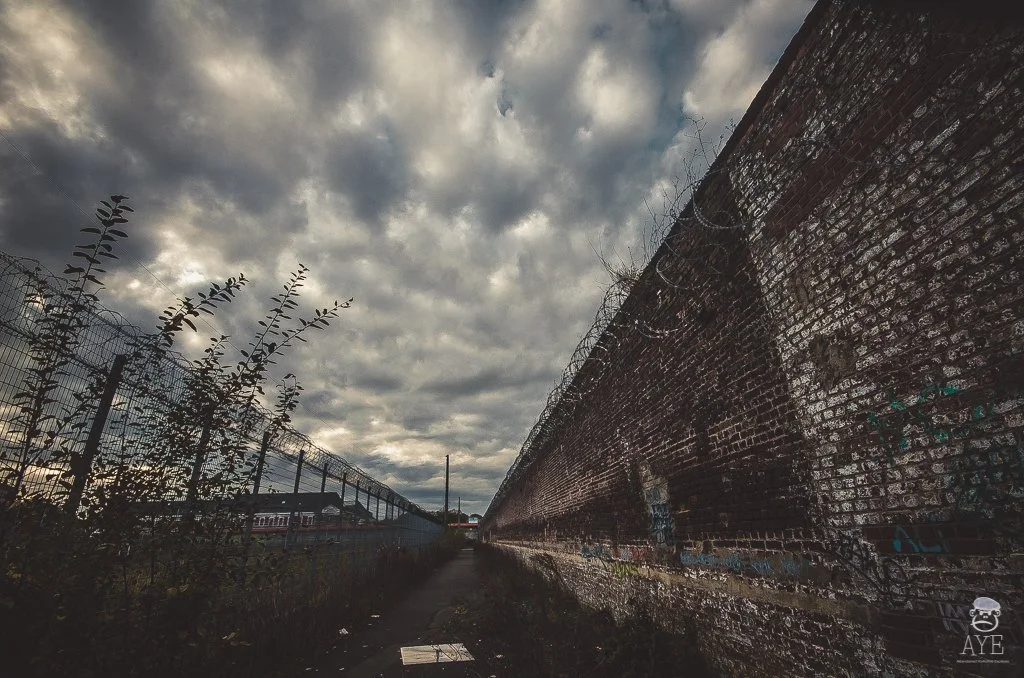
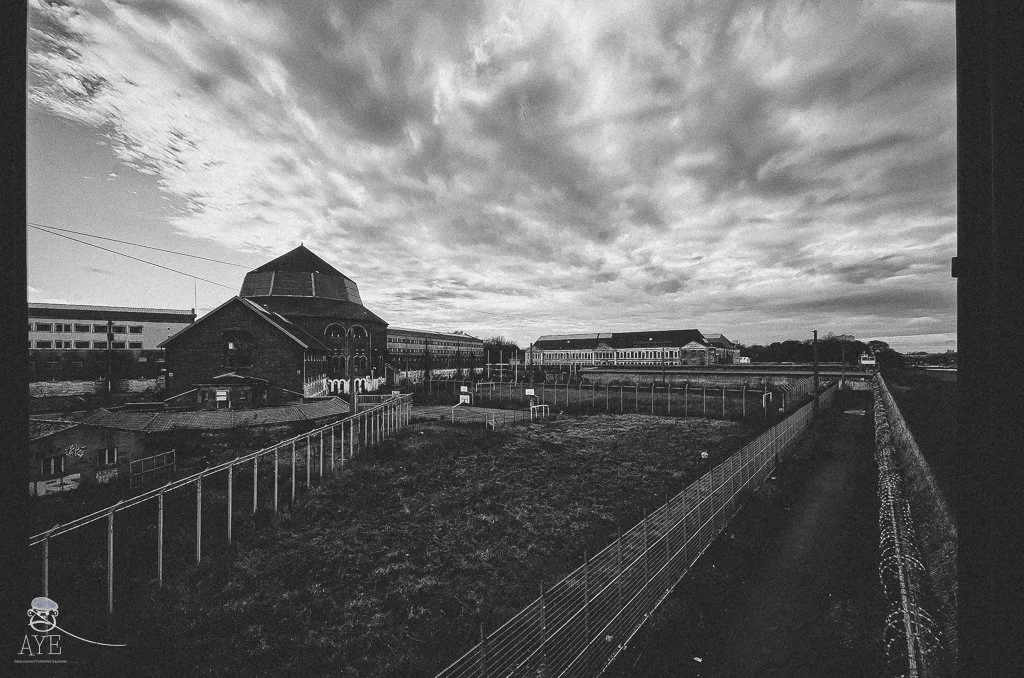
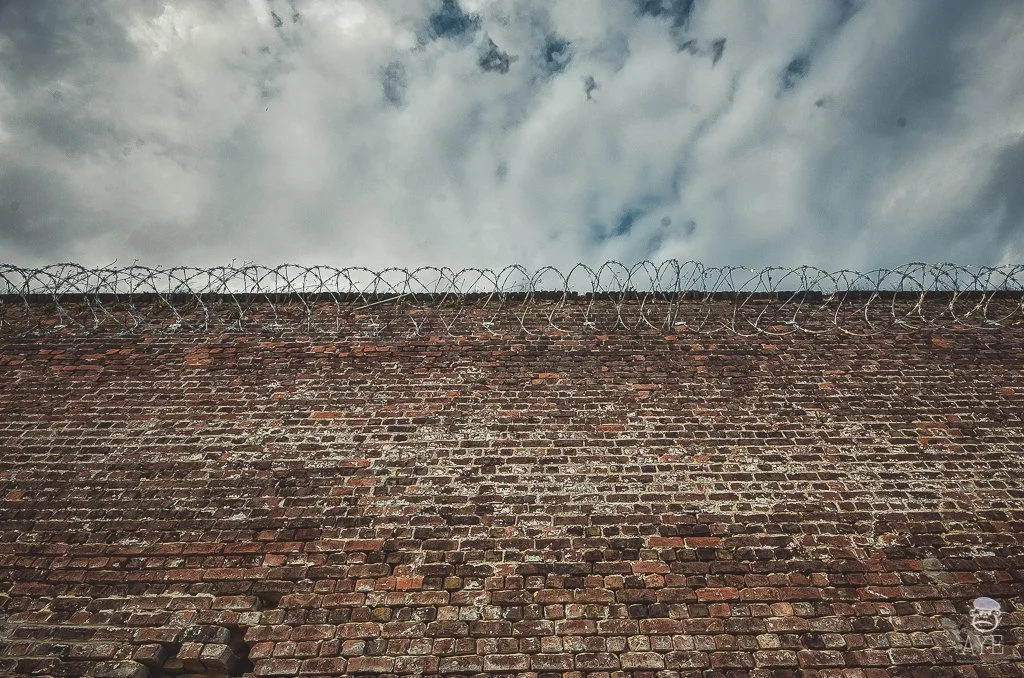
That gap between the finished image and the experience of making it is part of why I share these stories. The photographs show how I saw Prison H-15. The story gives you a little of what it felt like to be there.